
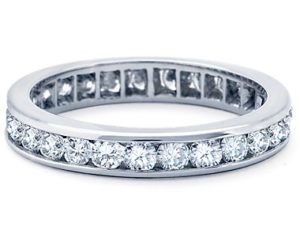
The channel setting is a secure way to set smaller diamonds in a row into the band of the ring, making a metal channel of sparkling stones flush with the shank. Channel set rings feature accent gemstones, which are small diamonds or other gemstones incorporated into a ring to add a touch of sparkle and […]
News
Bar Setting
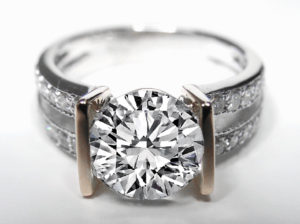
Setting diamonds separately between vertical bars of metal is another way to set diamonds or precious stones.This is done by using short strips of precious metal, like sleepers on a railway track, placed between the stones. Classic yet contemporary, in bar settings the sides of the gemstones are open, optimising brilliance and scintillation (sparkle). Bar […]
Halo and Double Halo Settings
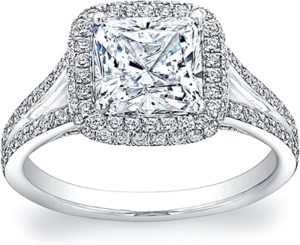
The halo setting refers to the placement of diamonds or other gemstones in a concentric circle or square around a centre stone. The halo setting gives the illusion of a larger centre stone. The extra stones around the centre diamond draw attention back to it, bringing more light and increasing the overall sparkle of the […]
Bezel Setting
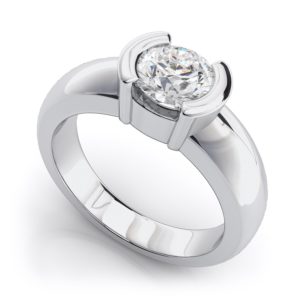
The bezel setting, like the prong setting, is one of the most popular ring settings due to its modern look and suitability for an active lifestyle. Instead of holding the diamond with claws, the bezel setting surrounds the diamond, or centre stone, with a thin metal rim custom-made to hold the stone tightly in place. […]
Tension Setting & Tension Style Settings

Classic Tension Setting The tension setting, as its names suggests, secures the diamond in the ring through the pressure exerted by the metal band on either side of the stone. The diamond, therefore, appears to be suspended, or floating, between the two sides of the band. It is the ring itself which holds the diamond, […]
Cathedral Setting
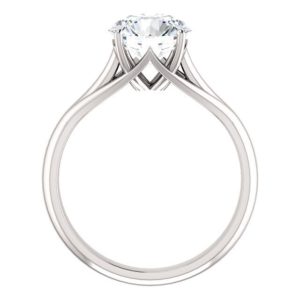
The cathedral setting is one of the most elegant and classic ways of displaying a diamond or gemstone. Similar to the graceful arches of a cathedral, this ring setting uses arches of metal to hold the stone firmly in place. The cathedral can be set with prongs, bezel, or tension setting since the defining characteristic […]
Three-Stone Setting
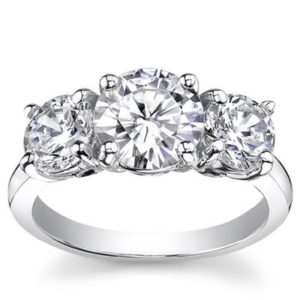
The three-stone setting, also referred to as the trilogy setting, is a versatile setting that can be chosen for engagement, anniversary, or any occasion rings. It is popular amongst those that like to attribute meaning, be it religious, romantic or personal. For example, the three stones can represent the Father, the Son, and the Holy […]
SIDE STONES SETTING
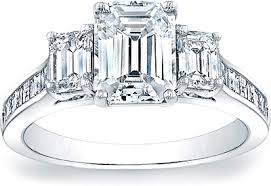
When choosing a ring one of the first decisions you will have to make is whether you want a single solitaire diamond or a coloured stone or a combination. You can also add various smaller or graduated stones on either side of the centre stone or on the ring band itself. When done correctly, the […]
Prong Setting & Solitaire Setting
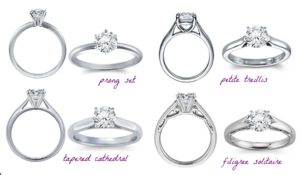
The most common and classic ring setting is called a prong setting. A prong is a little metal claw that grips the diamond tightly, holding it in place. Prongs can be rounded, pointed, flat, or V-shaped (the latter being the most common for princess-cut diamonds). V-shaped prongs are particularly important for wrapping the sharp or […]
Shank & Split-Shank
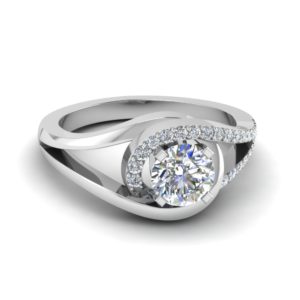
The shank refers to the band of the ring or the part that actually encircles your finger. Most shanks are rounded but there are also square-shaped shanks and other more creative shapes. The shank can also be of different thickness at either the front, back or sides and can vary in shape and style. A […]