
Princess-cut diamonds are having an interesting moment in 2026. They were one of the defining engagement-ring shapes of the 1990s and 2000s, but after years of being overshadowed by ovals, cushions and elongated fancy shapes, there are now signs of renewed interest. JCK reported in August 2026 that several industry sources were seeing increased demand, although the revival is still anecdotal and the market remains divided.
For a modern princess-cut engagement ring, these are the key trends I would watch:

1. The “quiet comeback” of the princess cut
The biggest story is simply the shape itself returning as a less predictable alternative to the ubiquitous oval. Princess cuts have a very different personality: crisp, geometric and architectural rather than soft and elongated.
That makes them particularly appealing to someone who wants a ring that feels contemporary and distinctive without being unconventional.
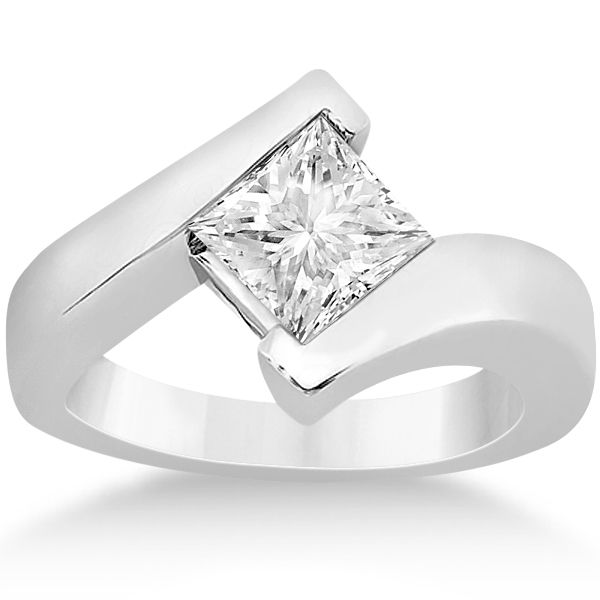
2. Minimalist solitaire settings
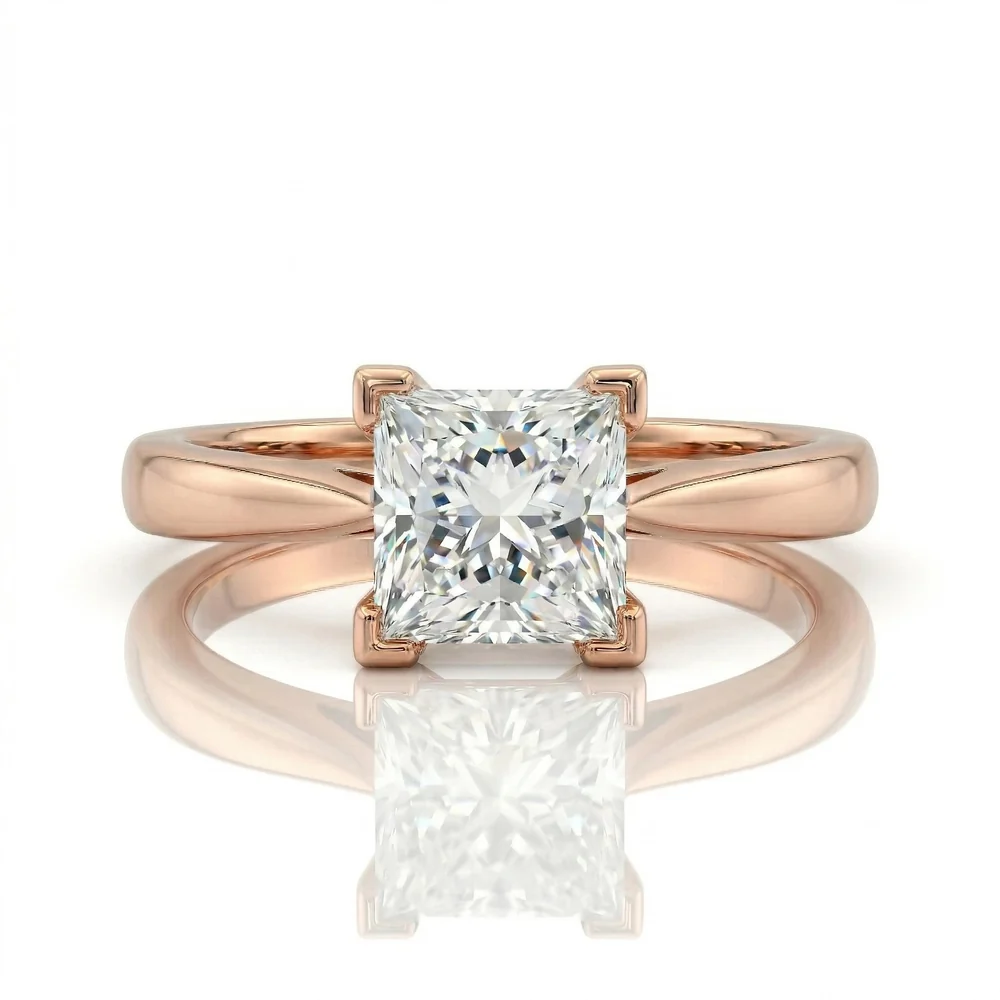
The 2026 move toward less-is-more engagement rings works extremely well with princess cuts. A clean four-claw solitaire allows the square outline and brilliant faceting to dominate.
Think:
- Square princess diamond
- Four delicate corner claws
- Plain platinum or yellow-gold shank
- Minimal shoulder detailing
- No halo
This can look surprisingly sophisticated compared with the more elaborate princess rings of the early 2000s.
3. Bezel-set princess cuts
This is one of the most fashion-forward interpretations of the shape.
A thin bezel follows the four sides of the diamond, creating an almost architectural frame. Recent enthusiast discussion around princess-cut bezels shows how unusual and contemporary this combination can look.
It also gives the vulnerable corners considerably more protection.

4. East-west and architectural variations
The broader jewellery trend toward unexpected orientations and architectural settings is influencing square diamonds too. East-west settings became particularly visible after Zendaya’s distinctive engagement ring brought the orientation back into the conversation.
For a princess cut, this can mean:
- A deliberately rotated square
- Compass-style positioning
- Geometric four-claw settings
- A bezel that emphasises the square silhouette
These are much more contemporary than the traditional princess-cut solitaire.
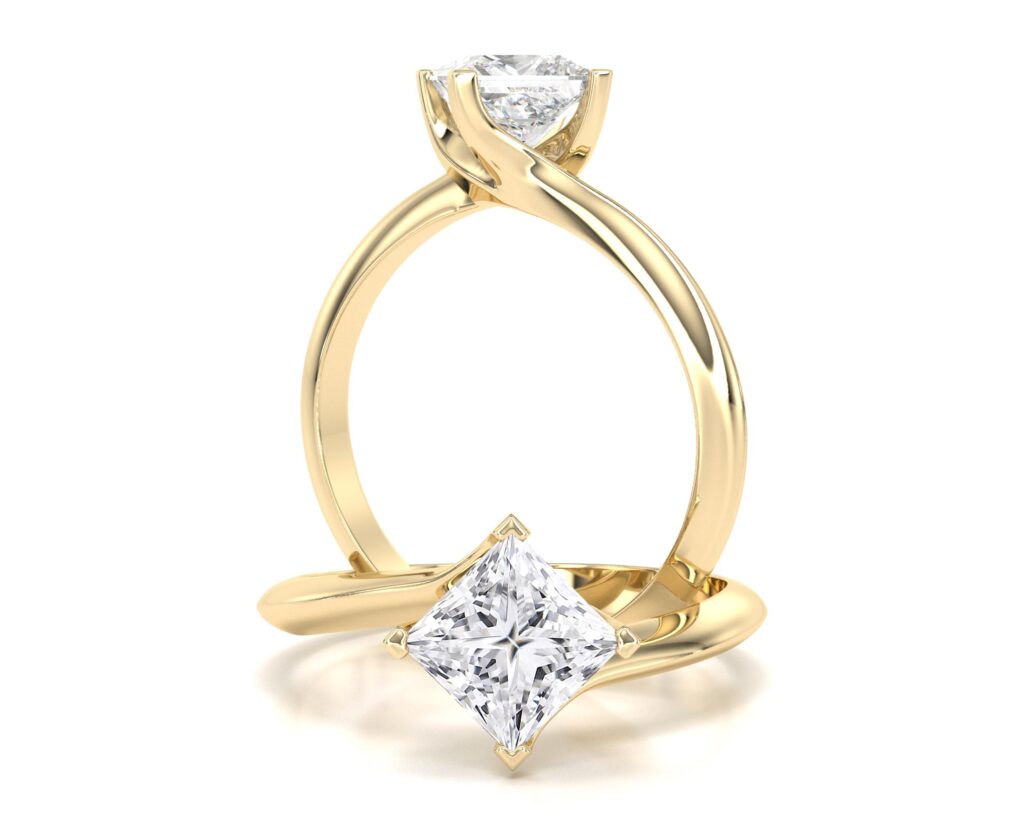
5. Yellow gold is transforming the look
Princess cuts were historically associated with platinum and white gold, but yellow gold gives them a completely different character.
A particularly current combination is:
Princess-cut diamond + substantial yellow-gold band + minimalist setting.
This connects with the broader 2026 trend toward chunkier, more sculptural gold engagement rings.
For a natural diamond, I particularly like the contrast between a crisp white princess cut and warm 18ct yellow gold.

6. Chunkier bands rather than ultra-thin shanks
The very delicate, barely-there engagement ring is being joined by something more substantial.
A princess cut looks especially good with:
- 2–3mm polished gold bands
- Flat-edged bands
- Sculptural shoulders
- Wide plain bands
- Knife-edge or architectural profiles
The stronger band reinforces the geometric character of the diamond.
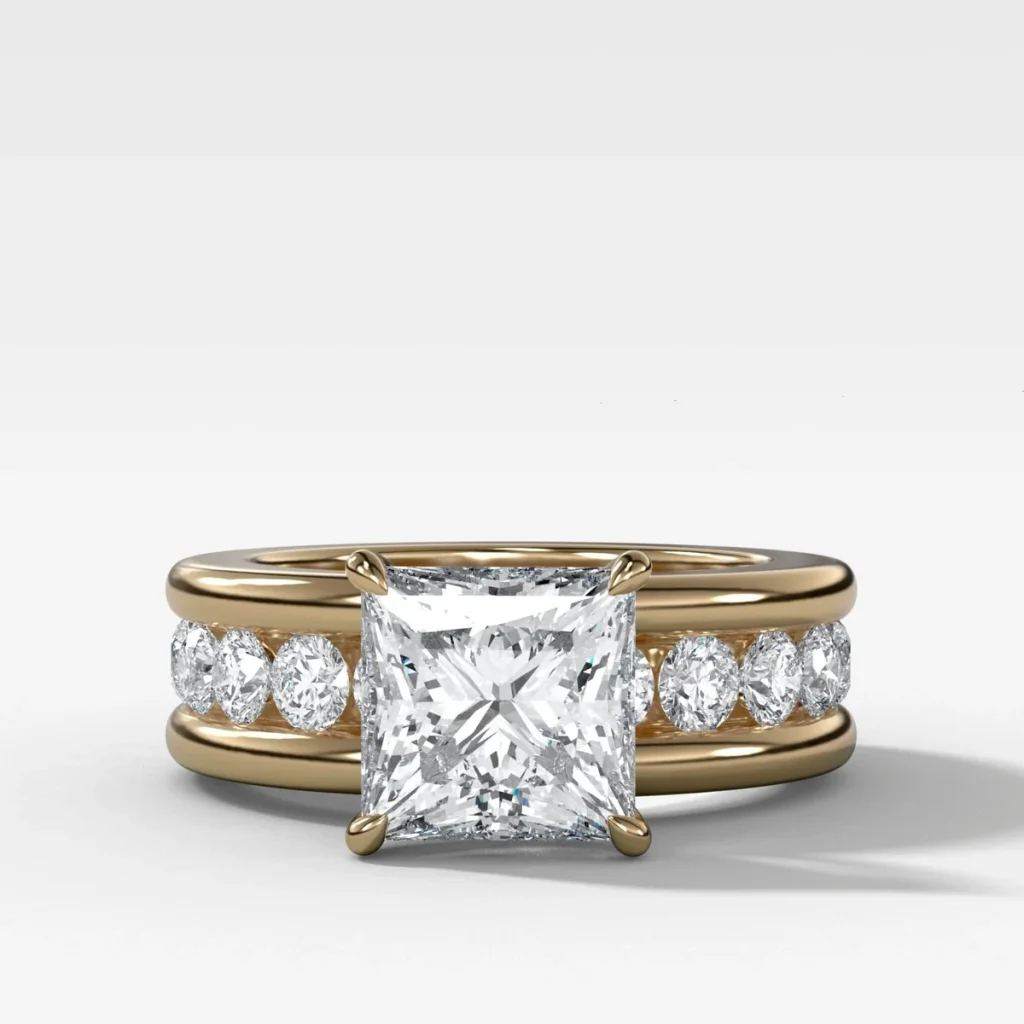
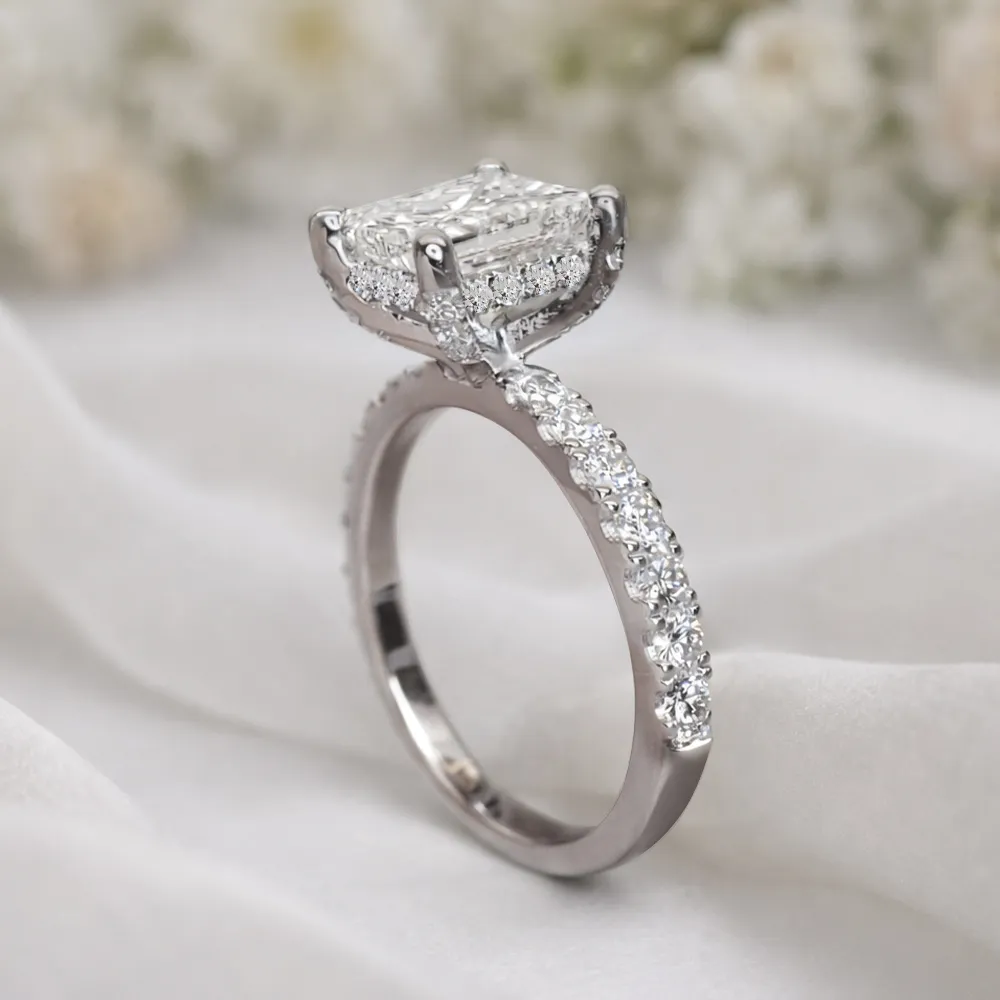
7. Hidden halos rather than traditional halos
If you want extra sparkle but don’t want the ring to look like a classic 2000s princess-cut ring, a hidden halo is a clever compromise.
From above, you see essentially the princess diamond and clean metalwork. From the side, there’s a discreet circle of diamonds underneath the centre stone.
That gives you additional scintillation without visually enlarging the ring in the traditional halo style.
8. Three-stone princess rings are getting a more modern treatment
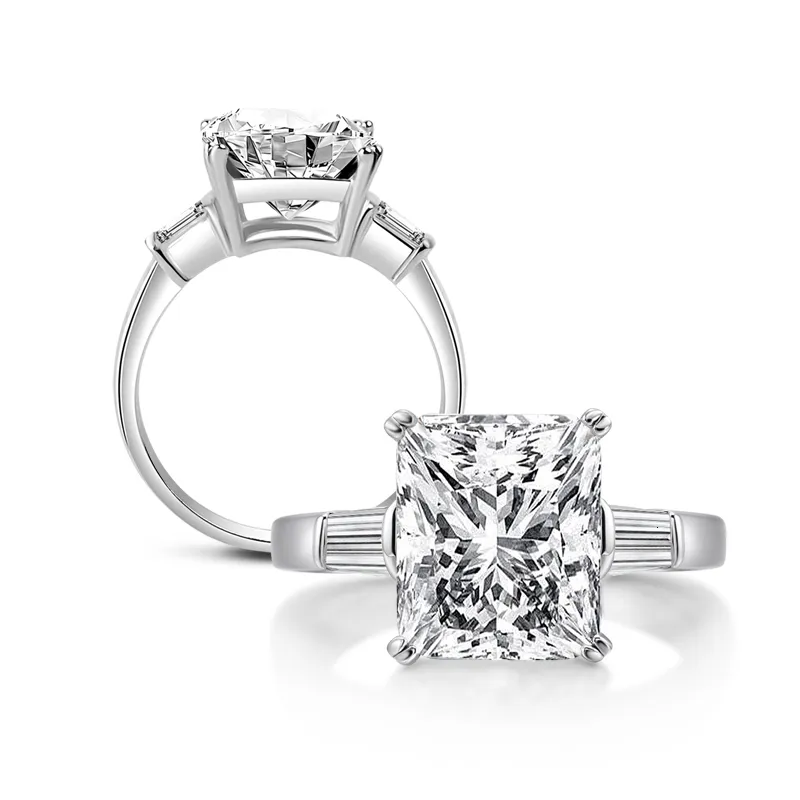
The three-stone format can work beautifully with princess cuts, particularly when the proportions are deliberately asymmetric.
For example:
Princess centre + tapered baguettes
or
Princess centre + two smaller princess diamonds
The baguette combination is particularly strong because the straight lines of the baguettes echo the geometry of the centre stone.

9. Natural diamonds with individuality
One of the broader 2026 bridal trends is moving away from rings that look almost algorithmically identical. Designers are increasingly talking about individuality, unusual proportions, antique-inspired cuts and stones with character.
For a princess cut, that could mean choosing a stone with:
- Slightly unusual proportions
- A rectangular rather than perfectly square outline
- Particularly strong scintillation
- A distinctive facet pattern
- A warmer colour in yellow gold
Rather than simply buying the biggest princess diamond for the budget.

10. Rectangular princess cuts
Don’t automatically assume that a princess cut has to be a perfect square.
Slightly rectangular princess cuts can be exceptionally elegant and offer something different from both square princesses and the currently dominant elongated shapes.
They’re particularly interesting for someone who likes the geometry of a princess but wants a little more finger coverage.
What I think is particularly interesting in 2026
There is a fascinating contradiction in the market.
The overall engagement-ring market is moving strongly toward individuality, unusual shapes and vintage character, while the princess cut represents something much more precise, modern and geometric.
That actually makes the princess cut interesting again.
Instead of recreating the classic 2000s princess-cut ring, today’s version is more likely to be:
A beautifully cut princess diamond + substantial yellow gold + minimal setting + architectural details.
Or, for something more fashion-led:
A princess cut in a bezel setting with a sculptural gold band.
And for something more classic:
A high-quality natural princess solitaire in platinum with four fine corner claws.
One important point if you’re buying: princess cuts have sharp corners, so the setting matters more than it does with a round or cushion. Four protective claws, a bezel or another design that adequately protects the corners is worth considering.